Engineered For Silverstone: A Driver’s Preparation
Silverstone rewards precision.
But first, it tests endurance.
Across fifty-two laps, drivers are placed under constant physical strain. High-speed sections like Maggots, Becketts and Chapel generate sustained lateral forces strong enough to make a driver’s head and helmet feel five times heavier through every corner. Decision-making happens in fractions of a second, while the body works continuously underneath it all.
“The races are ninety minutes long,” explains BWT Alpine Formula One Team driver, Pierre Gasly. “We lose two to three litres of fluid during a race and the heart rate sits between 150 and 165 beats per minute. You have to be prepared for it.”
That preparation shapes everything long before lights out at Silverstone.

Built For The Forces Of The Sport
There is a difference between being gym fit and race fit.
Pre-season training focuses on building strength, endurance and physical capacity. But as the season progresses, preparation becomes more specific. The objective shifts from building output to maintaining performance under repeated stress inside the cockpit.
Neck strength becomes critical at circuits like Silverstone, where sustained high-speed corners place constant load through the upper body. “You get up to five G’s in the corners,” Gasly says. “That’s basically five times the weight of your head.”
Even after months of training, the adaptation never fully disappears. “Over the winter I train my neck almost every day,” he explains. “But the first day back in the car still feels different.”
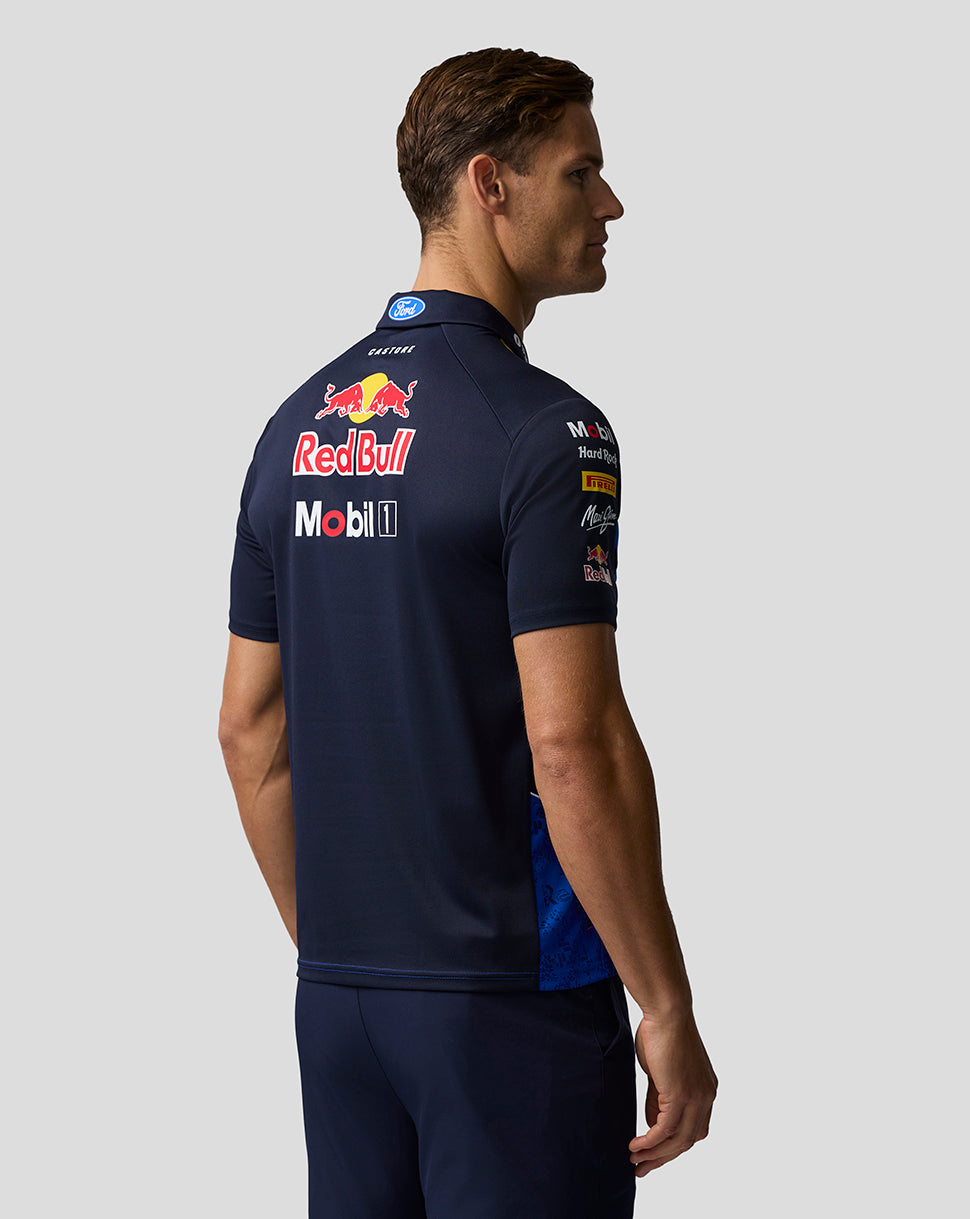
That reality shapes the demands placed on performance apparel throughout race weekends. Lightweight fabrics, unrestricted movement and effective moisture management all become essential once temperatures rise, heart rate climbs and fatigue begins to accumulate across long stints behind the wheel.
Shop Now
















Precision Under Pressure
Formula One places huge physical demands on the body.
But the greatest pressure often sits with the mind.
“When you’re in race conditions, with cars around you at those speeds, if you’re a tenth of a second late judging a situation, you might crash or go off track,” says Gasly. “It’s all about decision making and processing information.”
That cognitive sharpness becomes harder to maintain as physical fatigue builds. Heat, dehydration and sustained muscular tension all increase the mental load inside the cockpit. At Silverstone, where drivers move through some of the fastest directional changes on the calendar, concentration cannot drop for a moment.
Preparation is built around controlling that decline.
Not simply through strength work, but through recovery, hydration, movement and apparel engineered to perform under sustained intensity. Because at circuits like Silverstone, performance is not defined by a single moment.
It is sustained through every lap.